Respiratory Protective Equipment (RPE)
When it comes to the safety and health of workers, especially in environments with hazardous substances, respiratory protective equipment (RPE) plays a crucial role. However, the effectiveness of RPE is highly dependent on its fit. If the equipment does not fit properly, it cannot provide the necessary protection, potentially putting the wearer at risk. This is where face fit testing becomes essential.
What is Face Fit Testing?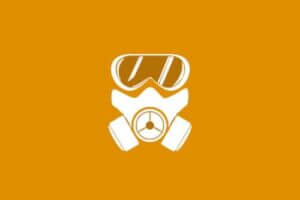
RespiratoryProtective Equipment
Face fit testing is a procedure used to ensure that a facepiece or mask fits tightly and seals adequately to the wearer’s face. The primary goal is to achieve continuous contact between the wearer’s skin and the mask’s seal, which is vital for the mask to function effectively. Poor fit can lead to leaks, rendering the RPE ineffective and exposing the wearer to harmful substances.
Why is Face Fit Testing Important?
- Individual Fit: Since people have different face shapes and sizes, a one-size-fits-all approach to RPE is impractical. Face fit testing ensures that the selected equipment is suitable for each individual wearer.
- Safety Compliance: Proper fit testing ensures compliance with health and safety regulations. In many regions, including the UK, face fit testing is a legal requirement for workplaces using tight-fitting RPE.
- Optimal Protection: A well-fitted mask provides optimal protection by preventing contaminants from bypassing the mask and entering the respiratory system.
How is Face Fit Testing Conducted?
Face fit testing can be performed using two primary methods: qualitative and quantitative testing.
- Qualitative Testing: This method is subjective and relies on the wearer’s sensory detection of a test agent. It is suitable for half-masks and filtering facepieces.
- Quantitative Testing: This method uses specialized equipment to measure the amount of leakage into the facepiece. It provides a numerical assessment of the fit and is suitable for all types of tight-fitting masks.
The Face Fit Testing Process
- Selection of RPE: The process begins with selecting the appropriate RPE based on the wearer’s specific needs and the work environment.
- Fit Test Preparation: The wearer is instructed on how to don the mask correctly, ensuring that it is properly positioned and adjusted.
- Conducting the Test: Depending on the chosen method (qualitative or quantitative), the test is conducted to evaluate the fit and seal of the mask.
- Assessment and Adjustment: If the mask does not fit properly, adjustments are made, or a different mask is selected, and the test is repeated until a proper fit is achieved.
Legal and Safety Standards.
It is essential for employers to adhere to legal and safety standards regarding RPE and face fit testing. The Health and Safety Executive (HSE) provides detailed guidelines and requirements for face fit testing. For more legal information, see Fit Testing Basics – Respiratory Protective Equipment (RPE).
Conclusion
Face fit testing is a critical step in ensuring that respiratory protective equipment provides the intended protection. By conducting proper fit testing, employers can safeguard their workers’ health, comply with legal standards, and promote a safer working environment.
For more information about our face fit testing course and how it can help ensure the safety of your workplace, please contact us.
Contact Us
- 01329 849097
- 07903873525
- info@safetrainingservices.co.uk
- Unit5 Fontley House Farm, Iron Mill Lane, Fontley, PO15 6QT