PASMA Training in Portsmouth
Have you thought about your team’s safety while they’re up high? Portsmouth’s construction sites are bustling. It’s crucial that everyone knows how to stay safe. PASMA Training is key for this. It doesn’t just protect workers; it builds a whole culture of safety. With many construction jobs going sky-high, having trained staff is more important than ever. Let’s explore the importance of this vital training. It helps keep our most precious asset – our people – safe.
The Importance of PASMA Training
PASMA Training is crucial for safety when working at heights. It teaches people how to use mobile access towers safely. Without this training, the danger of accidents and injuries rises sharply.
Why Working Safely at Heights Matters
Safety at heights is key for all workers and businesses. From what I’ve seen, following safety rules not only keeps people safe but also boosts work. Companies that focus on safety make a positive work environment, leading to happier staff.
Statistics on Falls from Height in the Workplace
The stats on falls from height in the UK are worrying. The Health and Safety Executive reports more than 40 deaths from falls last year. These numbers show a clear need for more safety training. Sadly, many of these deaths could have been avoided with proper training.
Legal Obligations for Employers in the UK
It’s vital for employers to know their safety duties. The Health and Safety at Work Act in the UK requires them to train their staff well. Ignoring this law leads to big fines and more dangers for workers. By offering PASMA Training, companies show they care about keeping their workers safe.
PASMA Training: What You Need to Know
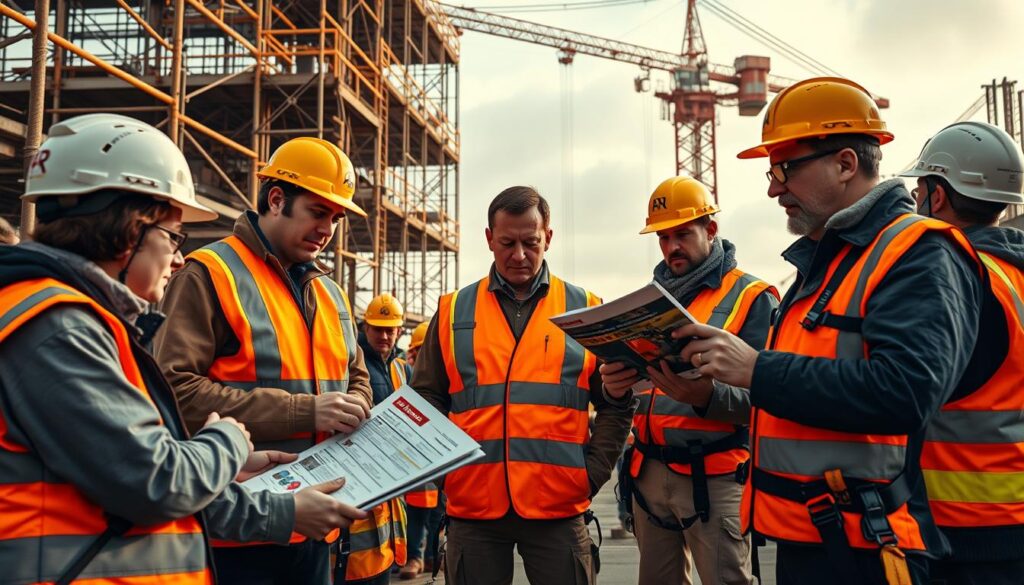
If you work at heights, knowing about the different PASMA training courses is key. These courses give you the vital skills to use mobile access towers safely. By taking part, you ensure you’re ready to handle the risks of high-level work.
Overview of PASMA Training Courses
PASMA training offers a wide range of topics to make sure learners know how to stay safe. Topics include:
- Safe assembly and dismantling of mobile access towers
- Risk assessment and safety procedures
- Ongoing inspection and maintenance of equipment
These key points help ensure safety at work.
Benefits of Accreditation and Certification
Getting your PASMA certificate is more than just useful—it’s essential. It shows you know your stuff when it comes to safety. Being certified improves your job prospects and proves your dedication to keeping the workplace safe. Employers look for this qualification, as it promises skilled and safe workers.
Alternative Training Options: IPAF Training Courses
Apart from PASMA, IPAF training is another great choice. It focuses on powered access equipment, like cherry pickers and scissor lifts. Combining PASMA and IPAF training ensures you’re fully prepared for working at heights.
Nowadays, you can also do safety training online. This means you can learn important safety measures anywhere, anytime. Offering online training helps everyone gain access to crucial safety knowledge.
Conclusion
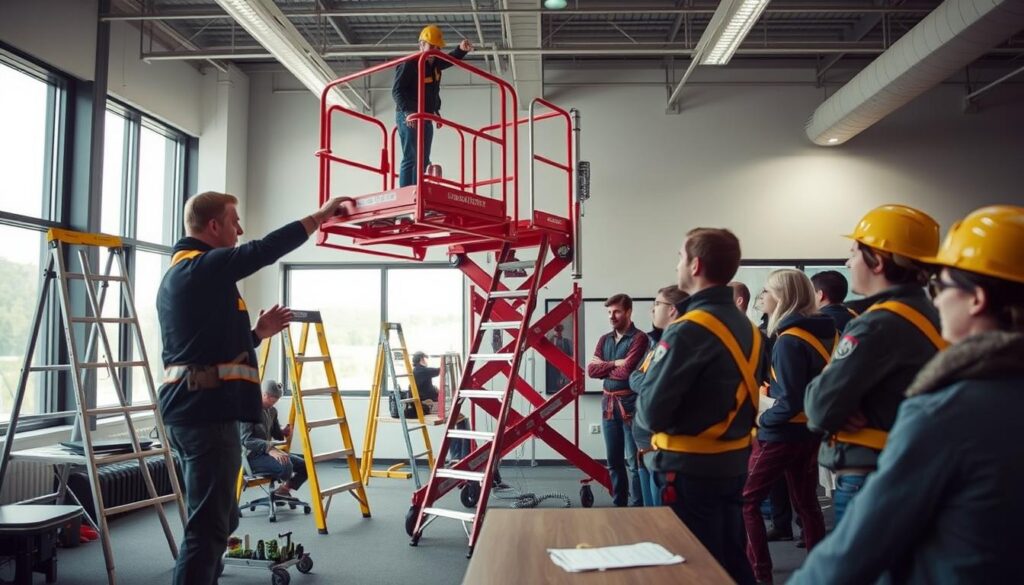
Ensuring proper PASMA Training is crucial for keeping the workplace safe, especially for teams working at heights. In this article, I’ve talked about how important it is to give staff the skills and knowledge they need. This helps prevent accidents and reduce risks. When workers get good training, the chance of falls is much lower. This makes the workplace safer for everyone.
Investing in safety training meets legal needs and builds a culture that cares for every team member’s well-being. Trained personnel mean fewer accidents, better morale, and greater productivity. It’s clear that making PASMA training a priority is more than just a legal must. It’s a forward-thinking way to look after your most important resource—your people.
Reflecting on the importance of ongoing training, I urge all employers to support PASMA Training. This not only ensures we follow rules but also helps us create a strong safety system. Such a system will benefit our organisations for many years to come.
FAQ
What is PASMA Training?
PASMA Training is a course for learning safe use of mobile access towers. It’s vital for those working at heights to lower accident risks.
Who needs to take PASMA Training?
It’s for people handling mobile access towers – like construction and maintenance workers. Basically, anyone working up high.
How long does the PASMA Training course take?
The course takes one day. Participants gain theory and practical skills for working safely at heights.
Is PASMA Training recognised in the UK?
Absolutely, it’s well-known across UK’s construction field. Often, it’s needed for site work with mobile access towers.
What are the benefits of having PASMA accreditation?
PASMA accreditation proves you’ve been trained to work at heights. It boosts safety, job prospects, and possibly, salary.
Are there online training options available for PASMA Training?
Yes, online training options exist. They let participants learn key aspects remotely, still securing essential certification.
What is IPAF training and how does it differ from PASMA Training?
IPAF focuses on powered access gear like cherry pickers. Whereas PASMA centres on mobile access towers. Both prioritise safety.
What are the legal obligations for employers regarding safety training in the UK?
UK employers must ensure worker safety by offering proper training, like PASMA and IPAF, as per Health and Safety laws.
Can I get a training certificate after completing PASMA Training?
Yes, after finishing PASMA Training, you get a certificate. It bolsters your industry credentials.
Are there specific safety training requirements for construction sites in Portsmouth?
Indeed, Portsmouth construction sites must follow UK health and safety rules. This means training workers properly, including PASMA and IPAF courses.